

Setting the Stage: The Evolution and Innovation of Breast Surgery
Historical evolution of breast implants and surgery
Breast surgery has undergone significant transformation since the 1960s. Early implants made from silicone rubber filled with silicone materials were the foundation. However, today's 5th and 6th generation silicone gel implants feature thinner, more flexible shells and highly cohesive gels. These advancements yield implants with a softer, more natural feel, improved durability, and reduced complication rates, such as capsular contracture and implant shifting.
Shift toward natural, personalized results in breast aesthetics
The contemporary trend in breast augmentation favors a natural, proportionate appearance over large volume increases. Patients increasingly seek smaller implants combined with complementary approaches like fat grafting and mesh scaffolding to enhance shape and support. Personalized techniques such as the Preservé™ method emphasize preserving breast function and minimizing tissue trauma for faster recovery and more natural outcomes.
Integration of technology and advanced surgical techniques
Modern breast surgery integrates cutting-edge technologies, including robotic nipple-sparing mastectomies, 3D imaging for precise preoperative planning, and minimally invasive devices like inflatable balloons for pocket creation. These innovations enhance surgical precision, preserve nerve and tissue integrity, and enable tailored treatments that optimize safety, aesthetics, and patient satisfaction across both cosmetic and oncologic breast procedures.
Transformative Trends in Breast Augmentation for 2025

What are the breast augmentation trends for 2025?
In 2025, breast augmentation is evolving towards subtle, Natural-Looking Breast Implants that prioritize patient individuality and safety. A clear preference has emerged for Proportionate Implants, often in the range of 250-300 cc, reflecting a societal shift toward balanced aesthetics over size.
Preference for Smaller, Natural-Looking Implants
Patients increasingly choose implants that harmonize with their body shape rather than dramatically altering appearance. This trend aligns with the broader 'undetectable aesthetic procedures' cosmetic enhancement movement, favoring enhancements that maintain an authentic look and feel.
Use of Cohesive Silicone Gel ('Gummy Bear') Implants
The latest generation of Cohesive Gel Silicone Implants, commonly called 'gummy bear' implants, are highly popular due to their durability and natural texture. These implants mimic the softness and movement of natural breast tissue, have advanced surface technologies that reduce the risk of capsular contracture, and offer improved shape retention over time.
Combination Procedures with Fat Grafting
Hybrid augmentations combining implants with Fat grafting in breast augmentation are becoming increasingly common. Fat transfer techniques provide smoother contours and a more natural feel, particularly beneficial in patients seeking subtle augmentation or enhancing implant softness. Recent advances have improved fat retention rates to over 80% at one year, making this a compelling option for natural augmentation.
Patient-Centered Customization Using 3D Imaging and AI Planning
Cutting-edge 3D Imaging for Breast Surgery and AI-assisted surgical planning tools enable surgeons to tailor implants precisely to the patient's unique anatomy and aesthetic goals. This technology facilitates detailed visualization of post-augmentation outcomes, enhancing communication and aligning expectations. Customization extends to implant shape, size, and placement, delivering highly personalized and harmonious results.
Overall, breast augmentation in 2025 emphasizes subtle cosmetic enhancements, natural breast implant options, and innovative body contouring techniques to maximize safety, minimize recovery time, and create results that reflect each patient’s unique beauty and lifestyle.
Innovations in Breast Implant Technology Enhancing Safety and Aesthetics
What are the latest advancements in breast augmentation?
In recent years, breast augmentation has seen significant technological strides, with 5th and 6th generation silicone gel implants at the forefront. These implants utilize thinner, more flexible implant shells combined with highly cohesive silicone gels, resulting in a softer, more natural feel and improved safety by minimizing risks such as rupture and silicone migration. The advances extend to supportive measures like dissolvable mesh scaffolds, which provide temporary structural reinforcement particularly for above-the-muscle implant placement. This innovation reduces complications such as preventing implant shifting and capsular contracture prevention by gradually integrating with the body's own collagen during the healing process.
Surgical techniques have also evolved, highlighted by the Preservé™ device from Motiva, a minimally invasive approach employing specialized devices to gently create implant pockets. This technique preserves nerve function, decreases tissue trauma, and promotes accelerated recovery, allowing patients to resume normal activities sooner. This blend of improved implants, support scaffolding, and surgical refinement achieves less traumatic breast augmentation with results that emphasize natural-looking breast implants and personalized outcomes tailored to individual body types and lifestyle needs.
What are the new developments in breast implant technology?
Contemporary breast implant technology in 2025 emphasizes a fusion of safety, durability, and personalized, natural-looking results. The current generation of implants features structurally advanced multi-layer shells filled with cohesive silicone gels engineered to closely mimic the texture and movement of natural breast tissue. This design ensures softness, shape retention, and resistance to rupture.
Minimally invasive surgical options have become more sophisticated, with innovations such as scarless transaxillary (through the armpit) incisions and the use of 3D imaging for exact surgical planning. These enhancements facilitate discreet scars and precise implant placement, yielding optimal cosmetic outcomes with reduced recovery time.
Moreover, hybrid augmentations combining traditional implants with autologous fat grafting have gained traction. This technique allows surgeons to refine breast contours, address subtle asymmetries, and soften implant edges, further enhancing the natural look and feel. This comprehensive approach, endorsed by leading U.S. surgeons, aligns with patient demands for safer, less invasive procedures offering highly aesthetic, individualized breast augmentation trends.
Revolutionizing Breast Cancer Surgery and Reconstruction
What are the new surgical techniques in breast cancer surgery and reconstruction?
Recent years have witnessed transformative advancements in Latest breast cancer surgery techniques 2024, emphasizing both oncologic efficacy and aesthetic preservation. Among these, Nipple-sparing mastectomy (NSM) have become pivotal, allowing surgeons to remove cancerous tissue while retaining the nipple-areola complex and breast skin. This approach supports a more natural appearance post-reconstruction and preserves nipple sensation when combined with nerve-sparing techniques in breast surgery.
How are robotic-assisted mastectomy techniques improving outcomes?
Robotic mastectomy technology represents a breakthrough in precision and patient recovery. The cutting-edge single-port robotic nipple-sparing mastectomy (rNSM), performed via an armpit incision, reduces nerve damage substantially and preserves the tactile sensation in up to 80% of patients. This minimally invasive technique also favors smaller incisions, less blood loss, and faster healing, marking a significant leap forward in breast cancer surgery.
How does oncoplastic surgery integrate cancer removal with aesthetic results?
Oncoplastic breast surgery benefits elegantly combines tumor excision with plastic surgery techniques, reshaping the breast to maintain symmetry and contour after lumpectomy. By repositioning remaining tissue, this method reduces the likelihood of mastectomy and enhances cosmetic outcomes, directly addressing patient quality of life alongside effective cancer treatment.
What advancements have been made in sentinel lymph node biopsy and lymphedema prevention?
The sentinel lymph node biopsy has revolutionized staging by selectively removing only the first lymph nodes draining the tumor, minimizing disruption to the lymphatic system. Concurrent innovations like lymphovenous bypass for lymphedema prevention and axillary reverse mapping are employed to prevent or reduce lymphedema—a chronic and debilitating swelling condition—thereby preserving arm function and patient well-being.
What advanced reconstructive options are available after breast cancer surgery?
Reconstructive techniques have expanded to include muscle-sparing flaps such as Myocutaneous flaps advancements, which utilize the patient's own tissue for natural, durable breast reconstruction with minimal donor site morbidity. Autologous fat transfer results has also gained prominence as an adjunct or alternative, achieving subtle contour improvements with excellent fat retention rates exceeding 80% at one year.
These surgical innovations collectively empower personalized breast cancer treatment plans that maximize survival benefits while safeguarding aesthetic outcomes and quality of life for patients nationwide.
Integrating Advanced Technologies in Modern Plastic Surgery
What are the innovations in cosmetic surgery technology?
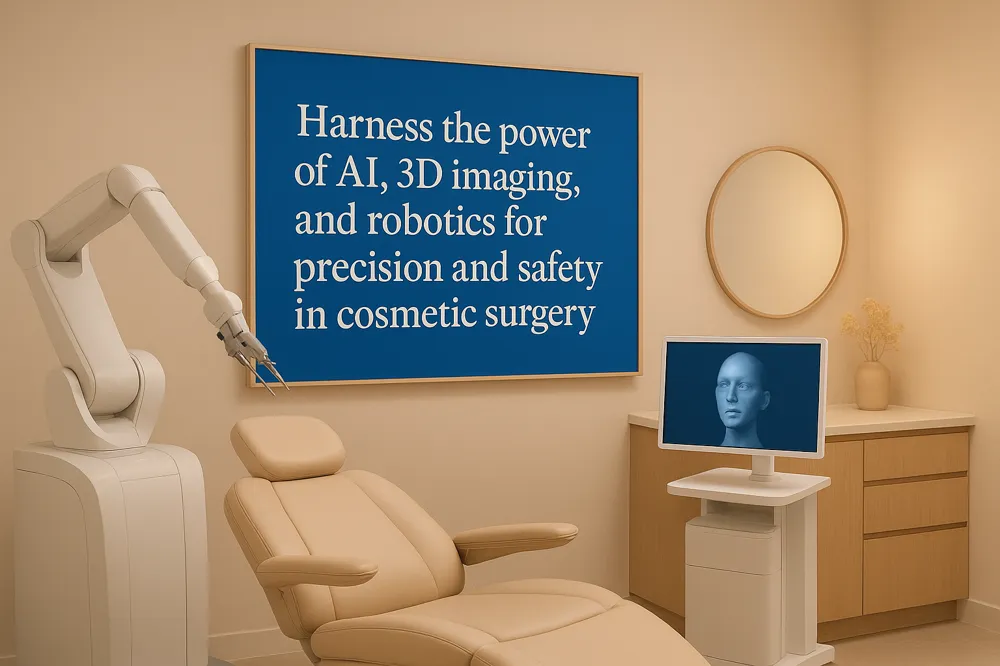
Innovations such as AI, 3D imaging, and robotic-assisted surgery have revolutionized modern plastic surgery by enhancing procedural precision and patient satisfaction. These technologies allow for highly personalized treatment planning, enabling surgeons to tailor interventions that align closely with each patient's unique anatomy and aesthetic goals.
Non-surgical and minimally invasive aesthetic procedures have also gained popularity. Techniques like radiofrequency skin tightening, thread lifts, and fat freezing provide effective rejuvenation and body contouring with minimal downtime. These approaches reflect a broader shift toward maintenance and holistic beauty, prioritizing natural results and quicker recovery.
What are the new technologies impacting modern plastic surgery?
Recent technological advancements are fundamentally transforming plastic surgery by improving safety, precision, and outcomes. Ultrasound-assisted liposuction (VASER) and power-assisted liposuction allow for more refined body sculpting with less tissue trauma and faster recovery compared to traditional methods.
Innovations in implant materials, including highly cohesive silicone gels and nanotextured surfaces, reduce common complications such as capsular contracture and enhance the durability and natural feel of implants.
Advanced 3D imaging and simulation tools empower patients by visualizing expected results prior to surgery, fostering informed decisions and realistic expectations. Moreover, AI-assisted surgical planning and robotic systems are increasingly utilized to elevate surgical accuracy and minimize invasiveness.
Fat grafting and regenerative medicine applications, leveraging the patient's own tissue, contribute to natural contouring and rejuvenation with reduced risk of adverse reactions.
Overall, these technologies culminate in plastic surgery procedures that are safer, more customizable, and aligned with patient-centered care, emphasizing natural aesthetics and rapid recovery.
Patient-Centered Approaches: Personalized and Natural Enhancements

Focus on Natural-Looking, Proportionate Results
Patients increasingly seek breast augmentations and cosmetic procedures that emphasize natural, balanced proportions rather than dramatic size increases. Modern trends prioritize subtle enhancements that harmonize with the patient's body, favoring smaller implants in the low 200 cc range and shape-centric customization. This shift reflects a desire for results that appear effortless and maintain an athletic or 'ballerina body' aesthetic.
Hybrid Procedures Combining Implants with Fat Transfer and Lifts
Combining breast implants with fat grafting or breast lifts is becoming a prominent trend to optimize shape, softness, and volume. Fat transfer techniques achieve subtle contour corrections and enhance natural softness, with retention rates exceeding 80% at one year. These hybrid approaches allow for personalized augmentation tailored to tissue characteristics, improving overall aesthetic outcomes while minimizing implant size.
Techniques Emphasizing Minimal Invasiveness and Faster Recovery
Innovations such as the Preservé™ technique use gentle access tools and inflatable balloon devices to create implant pockets while preserving nerves and tissue. These approaches minimize trauma, reduce scarring, and accelerate healing, allowing patients to resume normal activities, including exercise, within two weeks. Smaller incisions, advanced anesthetic protocols, and dissolvable mesh scaffolds support implant position and reduce complications like capsular contracture and bottoming out.
Importance of Surgeon Expertise and Technology Adoption
Selecting highly trained surgeons proficient in the latest techniques, like the Preservé™ method or the use of Motiva® implants, is critical for achieving optimal, safe outcomes. Cutting-edge implants feature cohesive silicone gels that enhance feel and durability. The integration of AI, 3D imaging and AI-assisted surgical planning in breast augmentation, and data-driven planning further customizes procedures to the individual, ensuring natural, personalized results and higher patient satisfaction.
Trends Toward Subtle, Undetectable Cosmetic Enhancements
Modern plastic surgery favors subtlety with undetectable results that emphasize the patient's unique features. Minimally invasive face and neck lifts, combined procedures, and new body contouring methods like rib modeling align with this philosophy. Patients now seek enhancements that maintain natural function and appearance, moving away from overly augmented looks toward refined aesthetic balance. Explore these trends further in 2025 plastic surgery trends.
| Aspect | Approach | Benefits |
|---|---|---|
| Natural Results | Smaller, shape-focused implants | Harmonious, balanced appearance |
| Hybrid Procedures | Implants + Fat Transfer/Lifts | Enhanced softness and volume |
| Minimally Invasive Techniques | Preservé™, small incisions, mesh support | Faster healing, less trauma |
| Surgeon & Technology | Training, Motiva®, AI planning | Personalized, safe outcomes |
| Subtle Enhancements | Early lifts, rib modeling, combined treatments | Undetectable, natural-looking results |
Looking Ahead: The Future of Breast Surgery and Aesthetic Enhancements
Growth of Personalized, Natural Results
The future of breast surgery emphasizes achieving natural, balanced aesthetics tailored to individual body types and preferences. Trends favor smaller, proportionate implants combined with innovative techniques like fat grafting and mesh scaffolding to enhance shape and softness while maintaining authentic appearance.
Continued Integration of Technology and Surgical Innovation
Technological advances such as FDA-approved next-generation implants, AI-driven 3D imaging, and minimally invasive methods like the Preservé™ technique and robotic-assisted mastectomy are revolutionizing surgical precision. These innovations enable customized procedures that protect sensation, reduce complications, and optimize outcomes.
Emphasis on Safety, Minimized Recovery, and Quality of Life Improvements
Modern breast surgeries prioritize patient safety, rapid healing, and long-term wellbeing. Solutions include highly cohesive silicone gels, dissolvable support scaffolds, nerve-sparing approaches, and enhanced recovery protocols. This holistic approach improves patient satisfaction and quality of life post-procedure.